A nuclear double flash nobody has ever officially claimed
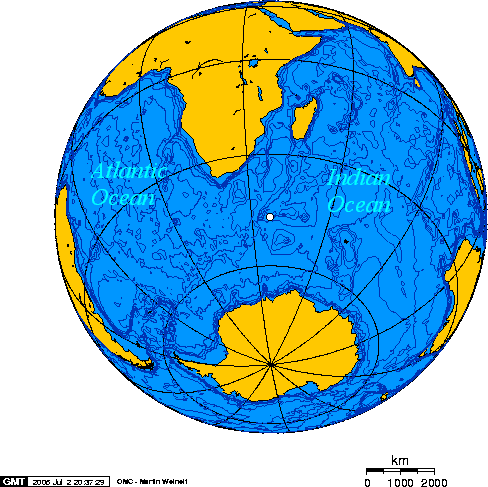
At 00:53 UTC on 22 September 1979 an American Vela satellite over the Indian Ocean, near the Prince Edward Islands about halfway between Africa and Antarctica, recorded a double flash, a short intense pulse followed by a longer one. That is the specific optical signature of an atmospheric nuclear explosion, and what the bhangmeters aboard existed to catch. The yield read as 2 to 3 kilotons. The Carter White House put an independent panel on it under Jack Ruina of MIT, and in mid-1980 it reported that the signal was probably not a nuclear explosion, noting that the previous 41 Vela double flashes had all been confirmed by fallout or seismic data and this one had no such corroboration. Carter’s own diary that year reads that his scientists increasingly believed the Israelis had tested a device in the ocean. Later work has leaned the same way, citing hydroacoustic records, radioactive traces in Australian sheep and an ionospheric disturbance recorded in Puerto Rico.
Indian Ocean, near the Prince Edward Islands
See it on the map
