The loudest mystery in the ocean turned out to be ice
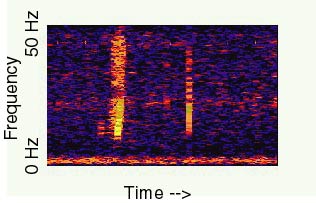
In 1997 NOAA hydrophones picked up an ultra-low-frequency sound in the remote South Pacific so loud it registered on sensors more than five thousand kilometres apart, rising in frequency over about a minute. It was recorded by the Equatorial Pacific autonomous hydrophone array, built to listen for undersea earthquakes, ice and marine life, and for years it was the internet’s favourite evidence of something enormous and unknown in the water. By 2012 NOAA had the answer: a cryoseism, an icequake. Ice calving or gouging the seabed, most likely between the Bransfield Strait and the Ross Sea or near Cape Adare. Seawater carries sound extraordinarily well, so something breaking off Antarctica could be heard across an ocean. Open water, no destination; it is here because the answer is better than the rumour.
South Pacific, roughly 50S 100W
See it on the map
