On 16 April 1746 the final Jacobite Rising came to a brutal head on this moor, and the Highlands were never the same.
Culloden takes its name from the Scottish Gaelic Cùl Lodain, the back of the small pond. The village sits three miles east of Inverness, and three miles east of the village again is Drumossie Moor, where the battle was fought.
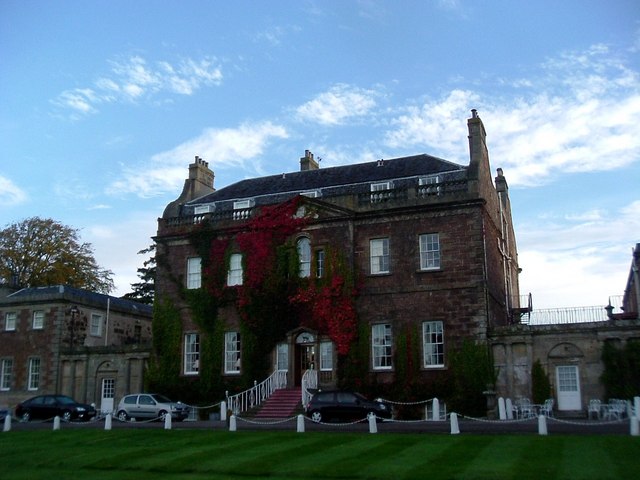
The village and the battlefield are worth separating in your head, because the village has its own long history. It grew up as estate houses attached to Culloden House, which is now a hotel. The Culloden stables have been rebuilt as holiday homes and the historic tithe barn is now the Barn Church, with the Loch Lann Kennels, the doocot and the ice house nearby. The Forbeses of Culloden owned Culloden House from 1626 until 1897, and Duncan Forbes Primary School still carries the family name. An area near the old village was drained in the 1960s for council housing, and private developments have grown around it since. The parish takes in Balloch, Smithton and Westhill.
The battlefield is looked after by the National Trust for Scotland. Its visitor centre carries a 360-degree battle immersion theatre that puts you inside the fighting, which is a serious attempt at conveying something a field of grass cannot.
The shop sells jewellery crafted from the flowers of the battlefield, along with books and Culloden whisky.
Walk the moor itself afterwards, and slowly. The clan grave markers are the part people remember, and the ground is flatter and smaller and quieter than the weight of it suggests.
United Kingdom
See it on the map
Other places on the map within a couple of hours.
